
Geographies of Collectivity: Berlin-Yerevan-Tbilisi

Arpi Balyan (FemLibrary), Natia Chikvaidze (Plasm Platform), Wassan Ali (Spinnboden - Lesbenarchiv und Bibliothek), Julia Nitschke & Natalie Pielok (Grupa Mauczka), Beatrice Moumdjian, Nini Palavandishvili, Sophia Tabatadze; moderated by Katharina Koch & Zofia nierodzińska.

performance, presentation, symposium/round table, events series

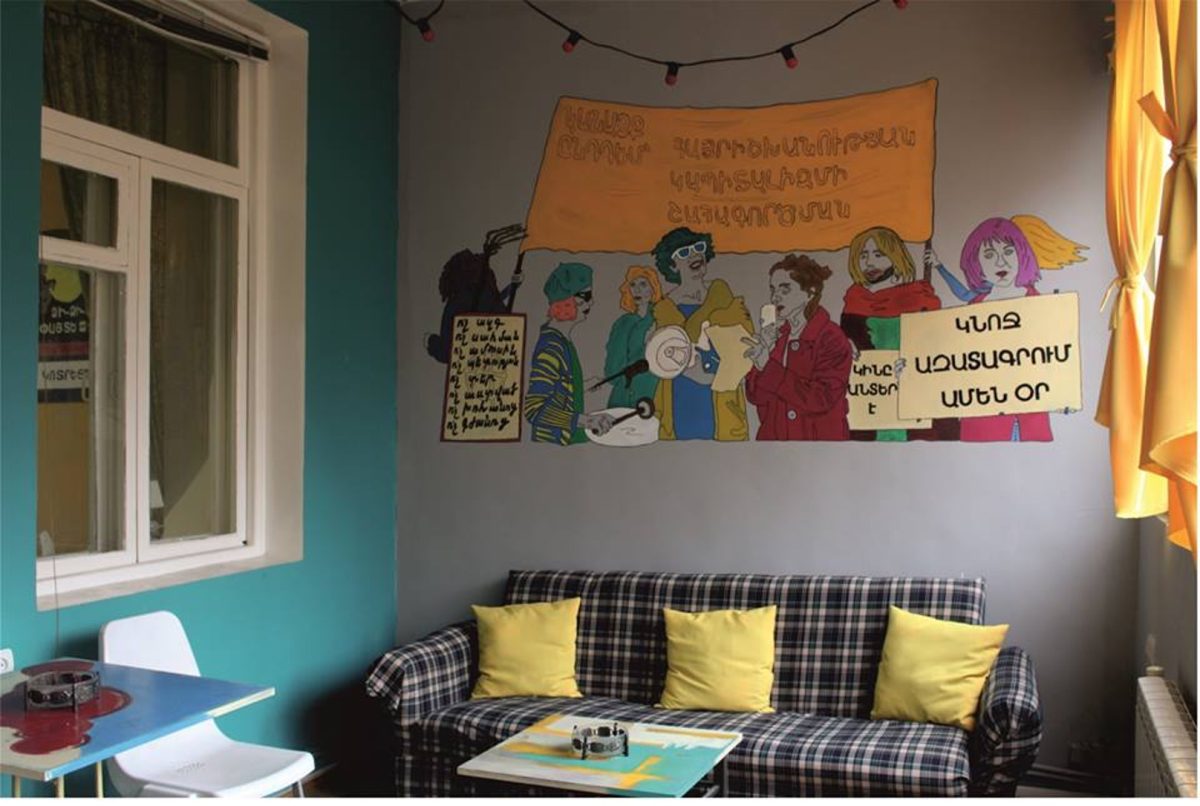
(De) @ FemLibrary, Yerevan

Winter School

with FemLibrary (Yerevan), PlasmPlatform (Tbilisi), Spinnboden – Lesbenarchiv und Bibliothek (Berlin) and Grupa Mauczka: Presentations, Workshops, Exchange
17.–20.11.2026 // Tue.-Fr. 10:00-16:00 (including lunch break)
free of charge, registration until 1.11.2026:  zofia@galeriefutura.de


Presentations and Round Table

with Arpi Balyan (FemLibrary), Natia Chikvaidze (Plasm Platform), Beatrice Moumdjian, Nini Palavandishvili, Sophia Tabatadze
21.11.2026 // 18:00–20:00 (in English)

With the kind support of Freundinnen und Freunde der Heinrich-Böll-Stiftung and GLS Zukunftsstiftung Entwicklung.


Geographies of Collectivity: Berlin-Yerevan-Tbilisi
Winter School, Workshops and Performance, Presentations and Round Table


Geographies of Collectivity brings together interdisciplinary practices of feminist collectives from Berlin, Yerevan, and Tbilisi. At its core are collaborations between alpha nova & galerie futura and two initiatives from Armenia and Georgia: FemLibrary from Yerevan and Plasm Platform from Tbilisi.

The project aims to deepen and strengthen feminist infrastructures that cross national borders and are rooted in practices of solidarity. In Armenia and Georgia, as well as in Germany, right-wing reactionary forces and voices are gaining increasing influence. FLINTA (women, lesbians, intersex, non-binary, trans, and agender people) are particularly affected by these developments. The project understands transnational feminist solidarity as a form of resistance to these deeply troubling developments. Together, we create spaces for encounter, resilience, and practices of plurality within a translocal field of art, education, and politics.


The project consists of a Winter School and a public event. It aims to strengthen relationships between Berlin-based cultural workers from (queer-)feminist contexts and the invited guests and co-organisers. During their stay in Berlin, FemLibrary and Plasm Platform will contribute to the Winter School with presentations, workshops, and other educational and discursive formats. Also invited from Berlin are Spinnboden Lesbian Archive and Library and the collective Grupa Mauczka. Through artistic and queer formats, Grupa Mauczka explores questions of belonging and cultures of remembrance in the context of migration histories.
 

The Winter School concludes with presentations and a moderated round table with Arpi Balyan (FemLibrary) and Natia Chikvaidze (Plasm Platform). They will be joined by Nini Palavandishvili, Beatrice Moumdjian, and Sophia Tabatadze, Berlin-based art and cultural workers with Armenian and Georgian migration histories, who will contribute their diasporic perspectives.

The conversation will address, among other things, how situated experiences can be translated into a transnational framework without reducing one’s own position to that of a “mediator” of a particular local context. More broadly, it asks how translocal networks of solidarity between groups and individuals can be built and sustained. This is particularly urgent at a time of right-wing reactionary and autocratic backlashes. Bringing together artistic, activist, community-based, and research practices, the discussion will provide a space for sharing and discussing knowledge and everyday strategies. The audience is invited to actively participate.

In these times marked by multiple crises, we want to create a space for mutual solidarity and understanding.

// to top
alpha nova & galerie futura
Privacy Overview

This website uses cookies so that we can provide you with the best user experience possible. Cookie information is stored in your browser and performs functions such as recognising you when you return to our website and helping our team to understand which sections of the website you find most interesting and useful.